Tarih: 10.06.2025
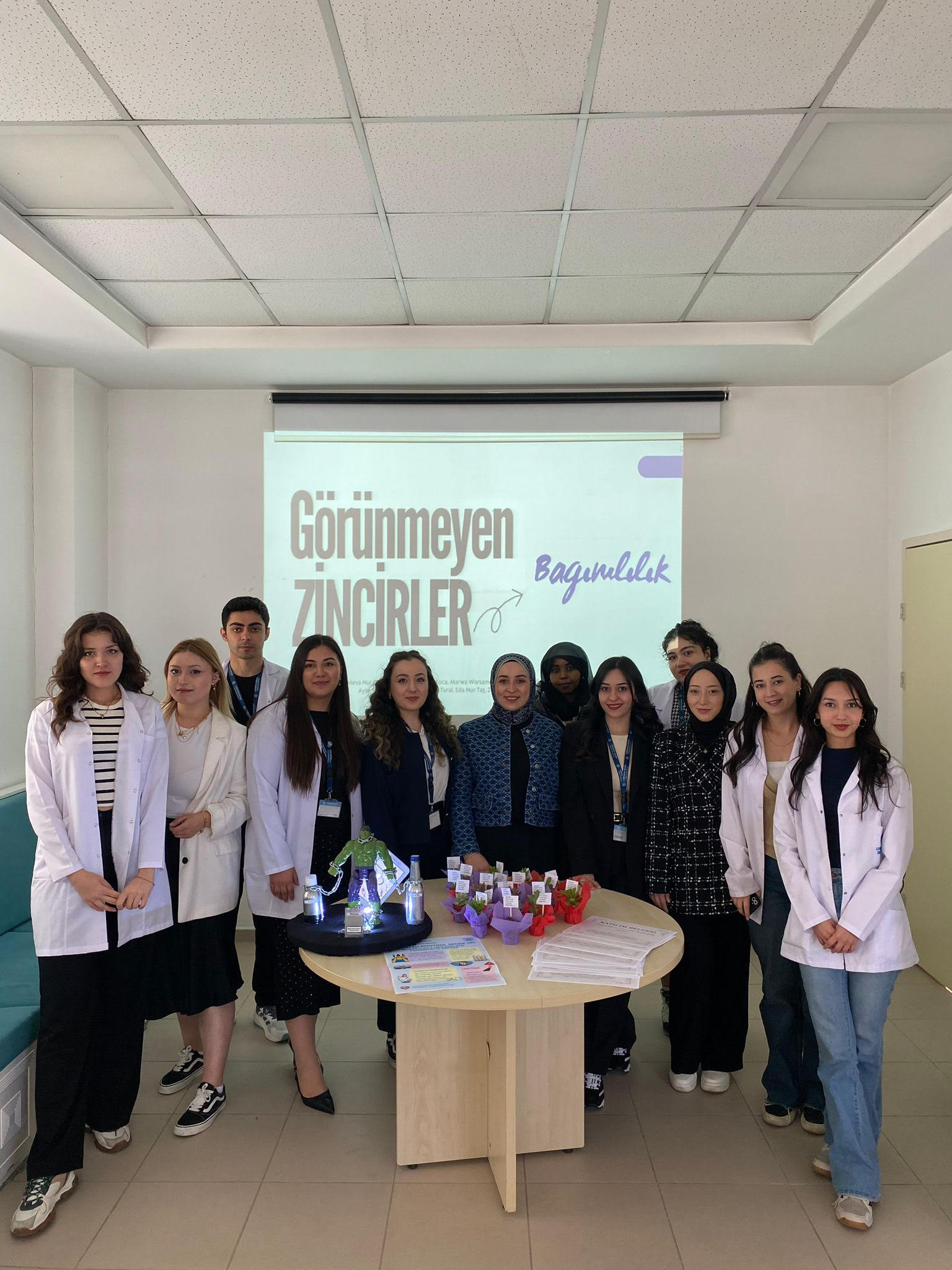
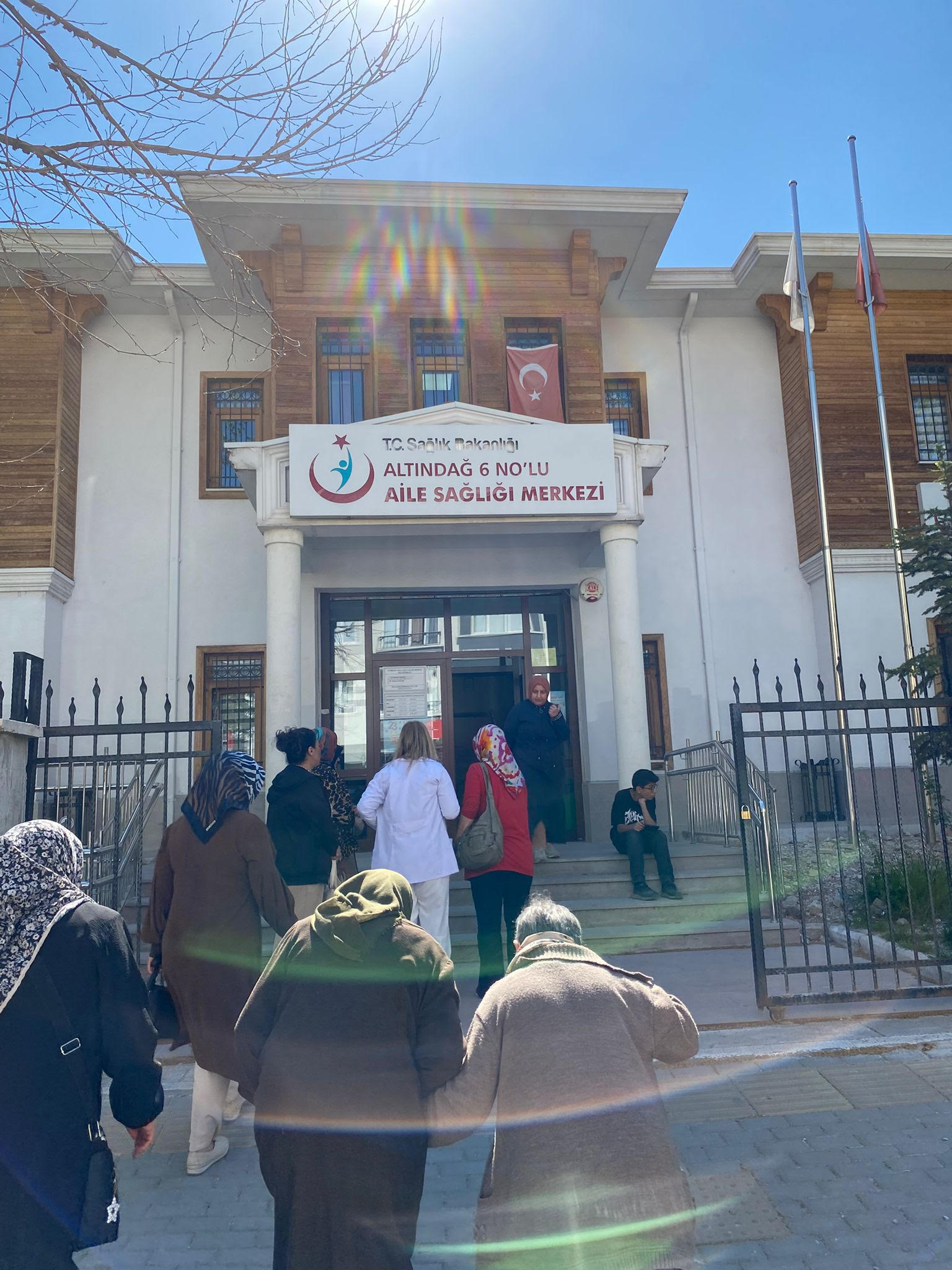
Lokman Hekim Üniversitesi Sağlık Bilimleri Fakültesi Hemşirelik Bölümü Halk Sağlığı Hemşireliği dersi uygulaması 2024-2025 Bahar döneminde Sincan ve Mamak ilçelerinde yürütülmüştür. Uygulama kapsamında 3. sınıf hemşirelik öğrencileri Sincan Belediyesi’ne bağlı Hanım Konakları/Güngörmüşler Konakları’nda 24 Şubat-2 Haziran 2025 tarihleri arasında Pazartesi günleri ve 4.sınıf hemşirelik öğrencileri ise Mamak Belediyesi’ne bağlı Aile Merkezleri’nde 18 Mart-3 Haziran 2025 tarihleri arasında Pazartesi ve Salı günleri olacak şekilde uygulama eğitimlerini tamamlamıştır. Dersin uygulaması ders sorumlusu öğretim üyesi Öğr. Gör. Nurbanu ODACI’nın koordinatörlüğünde Dr. Öğr. Üyesi Kadriye DEMİR, Dr. Öğr. Üyesi Esra TÜRKER, Arş. Gör. Hilal Merve BELEN ve Mentor Uzman Hemşire Feyza KOCAKURT ile 49+52 olmak üzere toplam 101 öğrenci ile 15 merkezde yürütülmüştür. Belediyelere bağlı merkezlerin isimleri şu şekildedir;
Sincan Belediyesi’ne bağlı merkezler;
- Yenikent Hanımlar Lokali
- Yenikent İlksan Hanımlar Konağı
- Menderes Hanımlar Konağı
- Yavuz Sultan Selim Hanımlar Konağı
- GOP Hanımlar Konağı
- Hayme Ana Hanımlar Konağı
- Selçuklu Hanımlar Konağı
- Şerife Bacı Hanımlar Konağı
- Evliya Çelebi Hanımlar Konağı
Mamak Belediyesi’ne bağlı merkezler;
- Akdere Aile Merkezi
- Zübeyde Hanım Aile Merkezi
- Abidinpaşa Aile Merkezi
- Ekin Aile Merkezi
- Necip Fazıl Aile Merkezi
- Başak Aile Merkezi
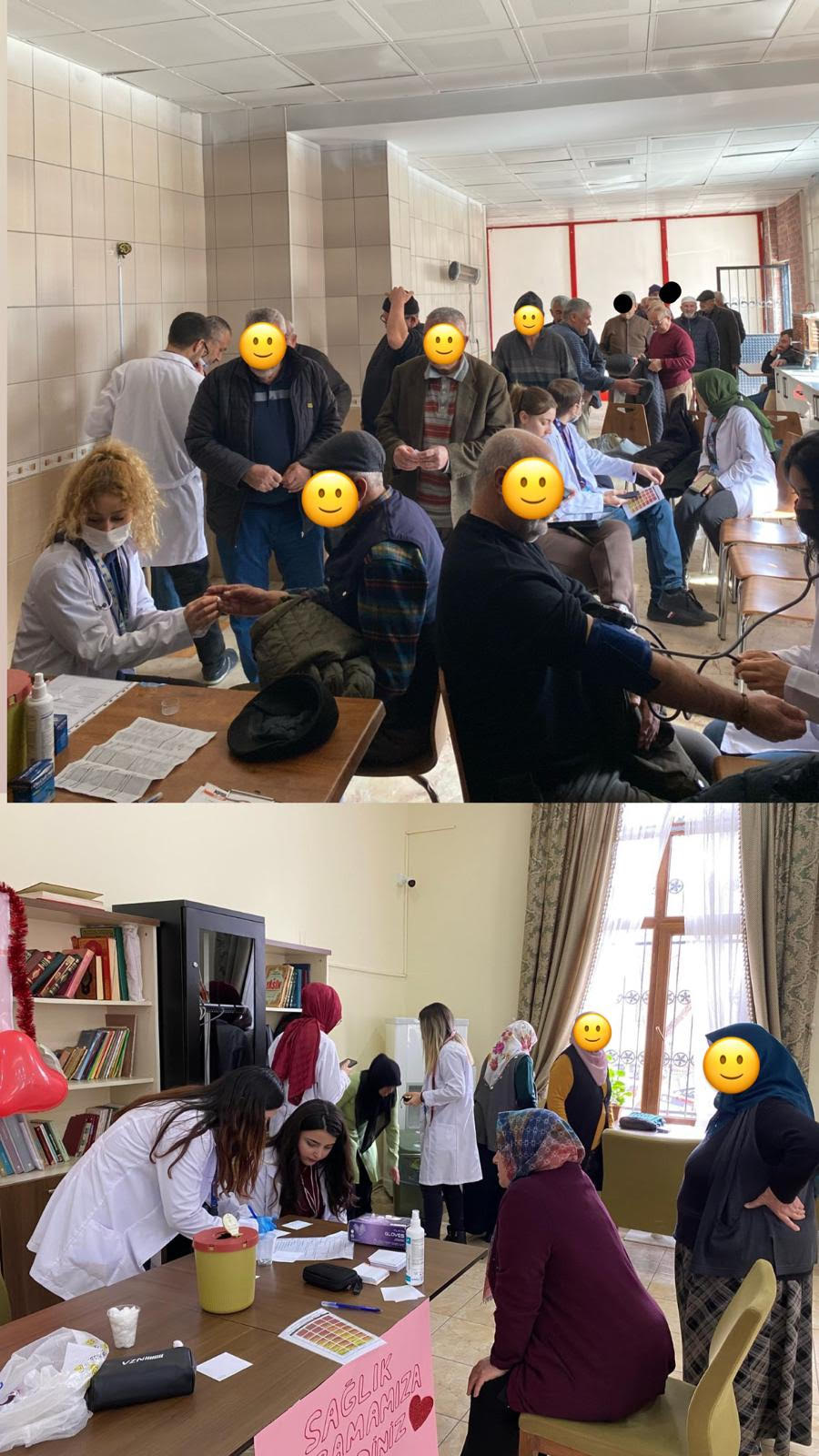
Uygulama süresince tüm merkezlerde eş zamanlı olacak şekilde bireylere ve gruplara yönelik sağlık eğitimleri gerçekleştirilmiştir. Aynı zamanda tüm merkezlerde belirli zaman dilimlerinde Kardiyovasküler Hastalık Risk Faktörlerine yönelik sağlık taramaları gerçekleştirilmiştir. Bu taramalar kapsamında öğrenciler tarafından merkezlerde yetişkinlere yönelik kardiyovasküler hastalık risk faktörü taraması (kan şekeri, kan basıncı, boy, vücut ağırlığı ve bel çevresi ölçümleri) gerçekleştirilmiştir.
Sincan Bölgesi Tarama Sonuçları
Sincan bölgesinde taramaya katılmayı kabul eden, 18 yaş üzeri 641 kişi kardiyovasküler hastalık risk faktörleri yönünden taranmıştır. Katılımcıların %16,1’i sigara kullandığını, %44,1’i günde 5 gr’ dan fazla tuz tükettiğini, %52,6’sı günde 5 porsiyondan az meyve sebze tükettiğini, %46,3’ü haftada 150 dk’ den az orta şiddette fiziksel aktivitede bulunduğunu ve yalnızca %25,5’i nadiren ya da hiç stresli hissetmediğini bildirmiştir. Bireylerin sağlık hizmeti kullanımına ilişkin veriler incelendiğinde ise; %77,4’ü en çok tedavi edici hizmet sebebiyle sağlık hizmetlerine başvurduğunu bildirmiştir. Katılımcılar beden kitle indeksine göre incelendiğinde; toplumun yaklaşık %58,7’si obez, %30,4’ü fazla kilolu, %10,6’sı normal ve %0,3’ü ise zayıf olduğu tespit edilmiştir. Katılımcılardan 40-75 yaş arası 589 bireyden %28,6’sı laboratuvar temelli olmayan DSÖ KVH risk tablosuna göre yüksek düzey riske sahiptir. Katılımcıların; kan şekeri değerine göre yaklaşık %19,8’i, kan basıncı değerine göre ise %21,4’ü, beden kitle indeksi ya da bel çevresine göre %66,1’i sağlık kuruluşuna sevk edilmiştir.
Mamak Bölgesi Tarama Sonuçları
Mamak bölgesinde taramaya katılmayı kabul eden, 18 yaş üzeri 927 kişi kardiyovasküler hastalık risk faktörleri yönünden taranmıştır. Katılımcıların %27,0’ı sigara kullandığını, %43,6’sI günde 5 gr’ dan fazla tuz tükettiğini, %63,6’sı günde 5 porsiyondan az meyve sebze tükettiğini, %33,6’sı haftada 150 dk’ den az orta şiddette fiziksel aktivitede bulunduğunu ve yalnızca %13,6’sı nadiren ya da hiç stresli hissetmediğini bildirmiştir. Bireylerin sağlık hizmeti kullanımına ilişkin veriler incelendiğinde ise; %80,6’sı en çok tedavi edici hizmet sebebiyle sağlık hizmetlerine başvurduğunu bildirmiştir. Katılımcılar beden kitle indeksine göre incelendiğinde; toplumun yaklaşık %45’i obez, %34’ü fazla kilolu, %19,6’sı normal ve %1,4’ü ise zayıf olduğu tespit edilmiştir. Katılımcılardan 40-75 yaş arası 687 bireyden %16,5’i laboratuvar temelli olmayan DSÖ KVH risk tablosuna göre yüksek düzey riske sahiptir. Katılımcıların; kan şekeri değerine göre yaklaşık %22,4’ü, kan basıncı değerine göre ise %25,6’sı, beden kitle indeksi ya da bel çevresine göre %71’i sağlık kuruluşuna sevk edilmiştir.
Ayrıca Necip Fazıl Aile Merkezi’nde kadınlara yönelik Altındağ KETEM iş birliğinde kanser tarama ziyareti gerçekleştirilmiştir. Toplamda 8 kadın taramaya katılmıştır. Katılımcılardan biri engelli olduğu için taramalar yapılamadı ve hastaneye yönlendirildi. Katılımcıların 5’ine meme kanseri, 4’ü serviks kanseri ve 2’sine kolorektal kanser taraması yapıldı. Taramaya gelen kadınlardan 3’ünün eşine evde uygulaması için Gaitada Gizli Kan Testi gönderildi.
Uygulama Kapsamında Yürütülen Sağlık Eğitimleri
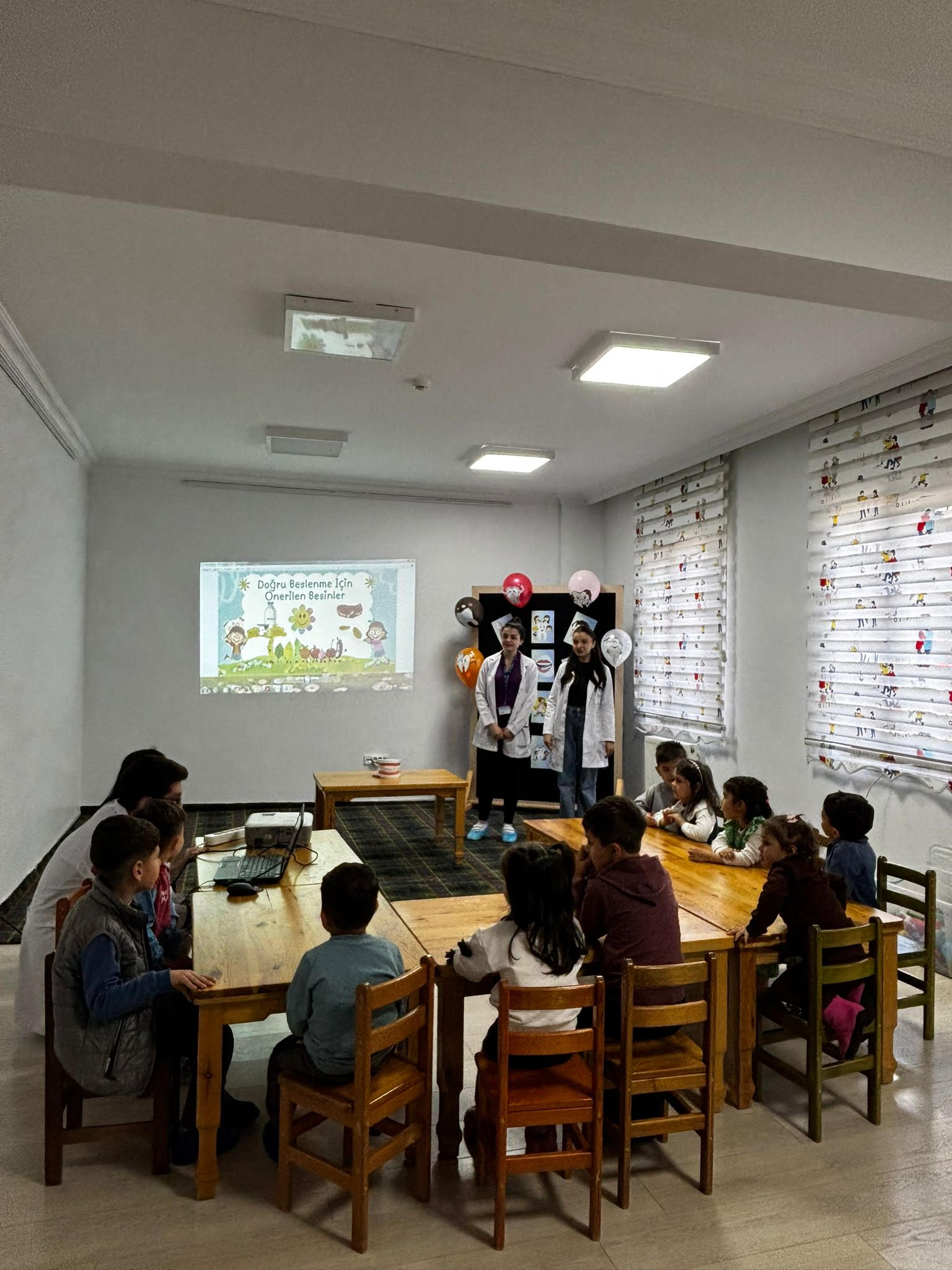
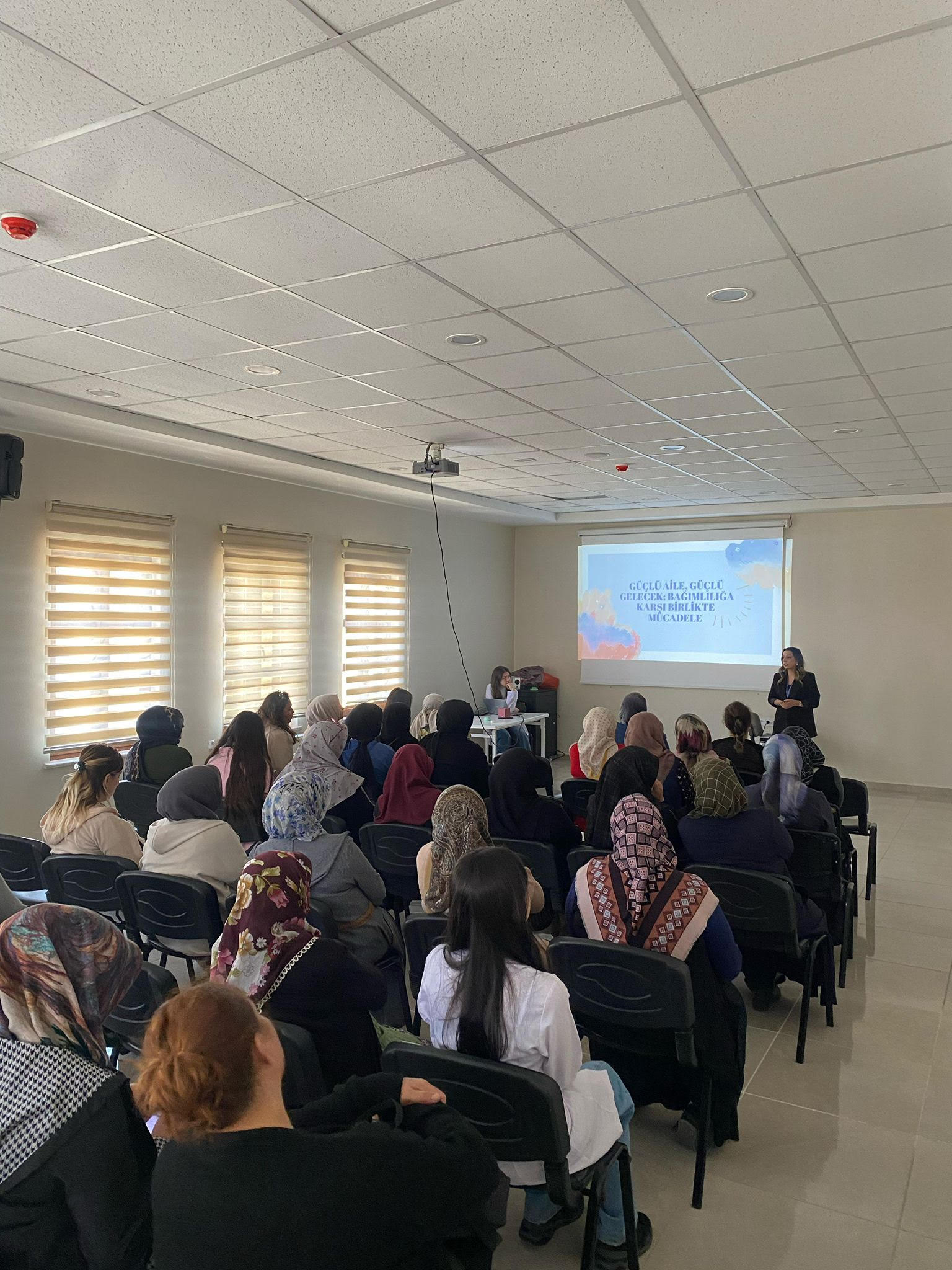
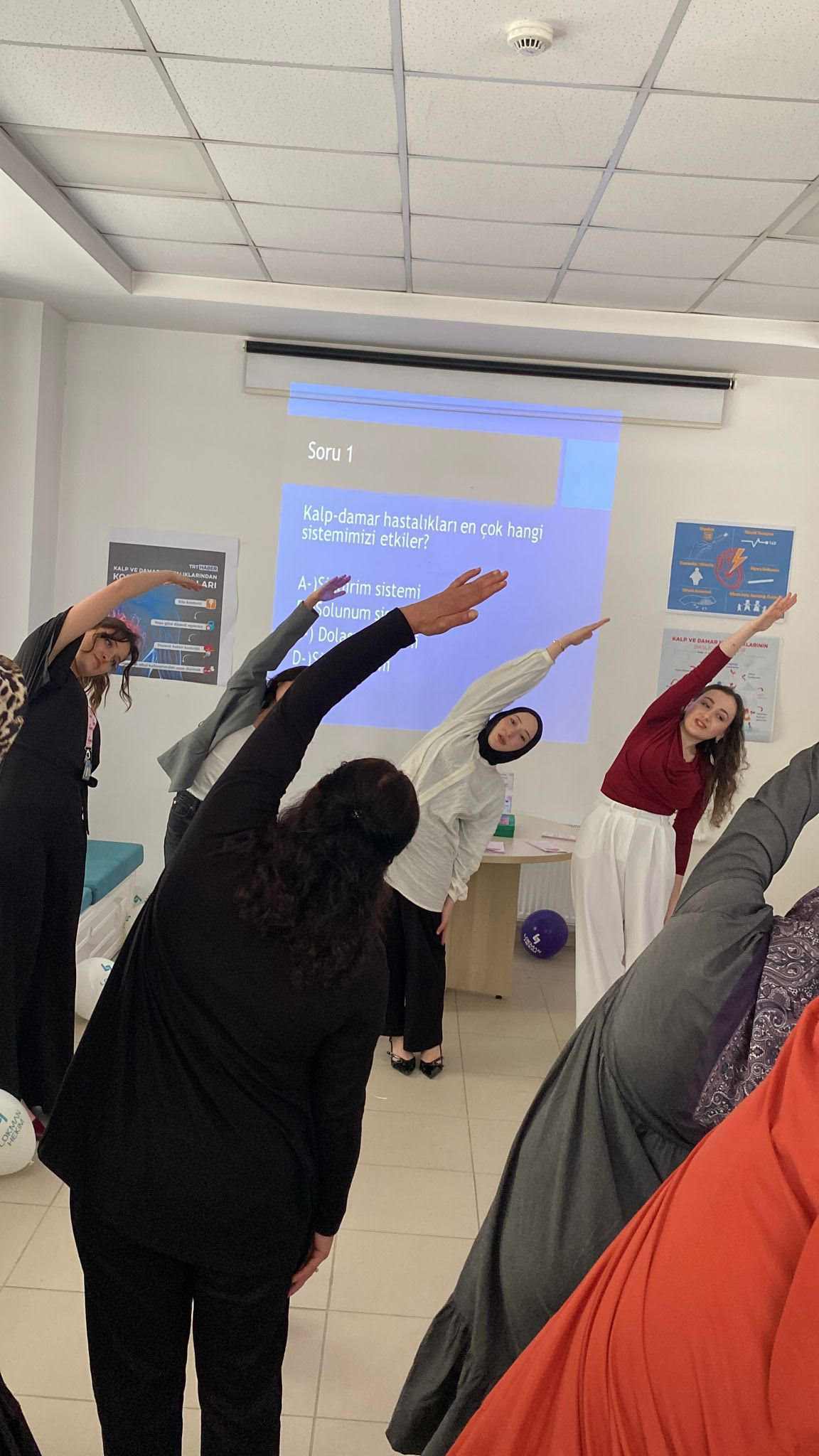
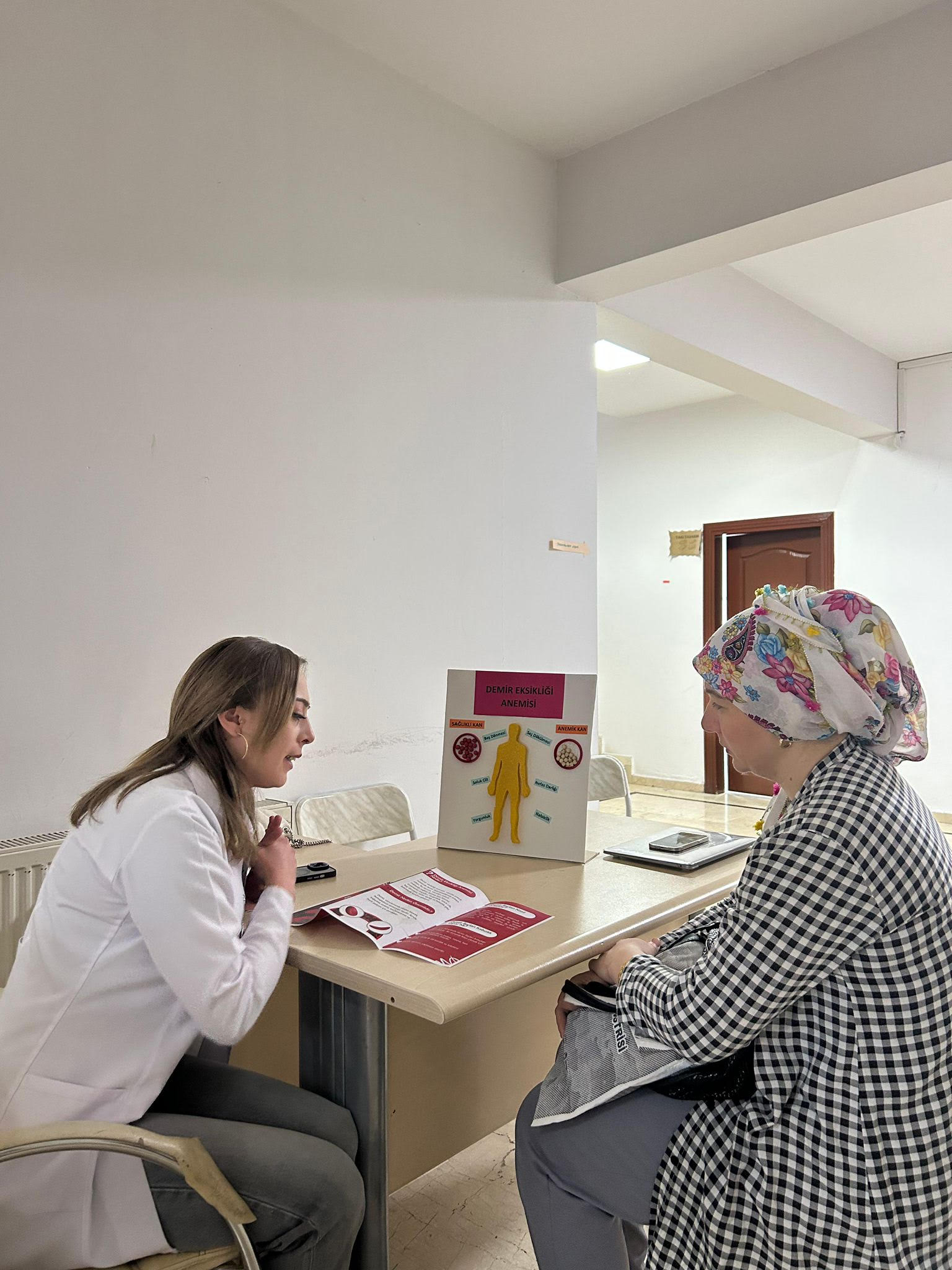
Uygulama süresince tüm merkezlerde çeşitli konularda bireysel eğitim ve grup eğitimleri düzenlenmiştir. Tüm merkezlerde ortak olarak “Kardiyovasküler Hastalıkların Önlenmesi” konusunda grup eğitimi verilmiştir.
Bireysel eğitimler ihtiyaçlar doğrultusunda aşağıdaki konularda verilmiştir;
- Diyabet Yönetimi Eğitimi
- Stres Yönetimi
- Uyku Hijyeni
- Ağız diş sağlığı
- El hijyeni
- Erken Tanı ve Taramaların Önemi
- Fiziksel aktivite
- Beslenme
- Gebelik dönemi
- Aile planlaması
- Menopoz Farkındalığı
- Akılcı İlaç Kullanımı
- Emzirme Eğitimi
- Teknoloji Bağımlılığı
- PCOS ile yaşam
Mamak Bölgesi’nde ek grup eğitimleri aşağıdaki konularda gerçekleştirilmiştir;
- Bağımlılıkların önlenmesi
- Ebeveyn çocuk iletişimi
- Ağız Diş Sağlığı (Kreş grubu)
- Ev Kazalarının Önlenmesi
- Perine Hijyeni
- Menopoz Farkındalığı
Paydaş Görüşleri
Ders uygulamasına ilişkin toplumdan ve merkez yöneticilerinden yazılı geribildirimler alınmıştır. Her iki bölgede de alınan geribildirimlerde taramaya katılan kişilerin taramaları faydalı buldukları, uygulamadan memnun oldukları ve daha geniş kapsamlı (kan tahlili, tetkik gerektiren) taramalar talep ettikleri görülmüştür. Her iki bölgede de merkezlerin yöneticileri uygulamanın herhangi bir olumsuz yönü olmadığını, toplum sağlığına faydalı bulduklarını ve sonraki yıllarda da uygulamaya ev sahipliği yapmayı istediklerini belirtmiştir. Ayrıca öğrencilerden ders uygulamasına ilişkin saha değerlendirmeleri anonim şekilde Google Forms aracılığı ile toplanmıştır. Kullanılan form 12 maddeden oluşmakta ve kesinlikte katılmıyorum ile kesinlikle katılıyorum cevaplarından oluşan 5’li likert tiptedir. Formda ters madde bulunmamakla birlikte form toplam puanı en düşük 12, en yüksek 60’tır. Öğrencilerden alınan geribildirimlerde Sincan bölgesi için 43 öğrenciden veri toplanmış ve ortalama değerlendirme puanı 45,9 olarak saptanmıştır. Mamak bölgesi için 46 öğrenciden veri toplanmış ve ortalama değerlendirme puanı 53,4 olarak saptanmıştır. Her iki puan değerlendirildiğinde öğrencilerin dersin uygulamasından oldukça memnun oldukları söylenebilir.